Article Plan: Story Elements Worksheet PDF
Understanding the core components of narratives – characters, setting, plot, conflict, and resolution – is crucial for both reading comprehension and effective storytelling abilities.
Story elements are the fundamental building blocks that comprise any narrative, from the simplest children’s tale to the most complex novel. Recognizing these elements – characters, setting, plot, conflict, and theme – is vital for a deep understanding and appreciation of literature. These aren’t just academic concepts; they’re the tools authors use to craft engaging and meaningful stories.
Comprehending story elements allows readers to analyze how a story works, not just what happens. It fosters critical thinking skills and enhances the ability to interpret an author’s message. For aspiring writers, mastering these elements is essential for constructing compelling narratives of their own. A story elements worksheet PDF serves as a valuable tool in this process, providing a structured approach to dissecting and understanding these crucial components.
What is a Story Elements Worksheet?
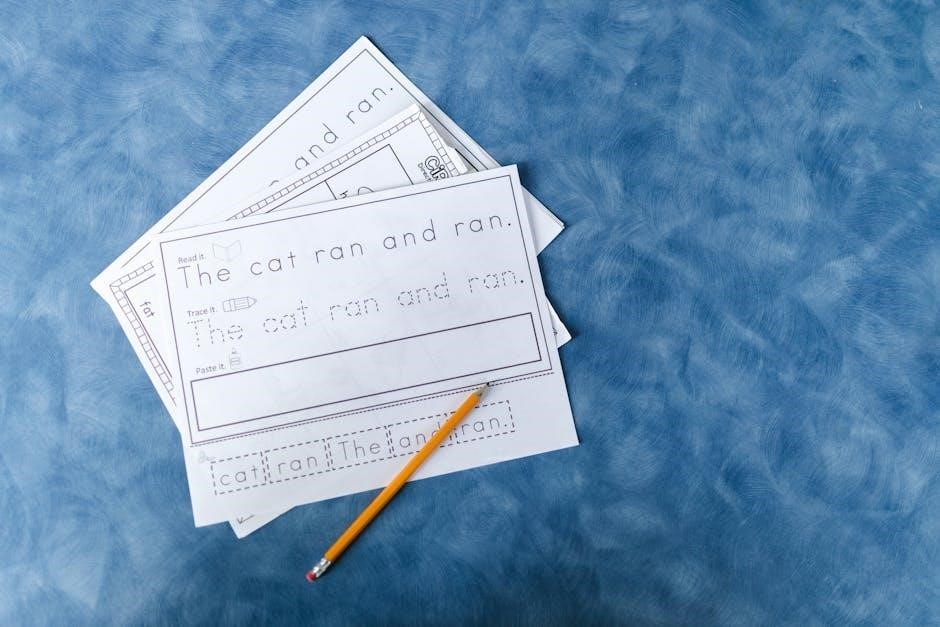
A story elements worksheet is a pre-designed document, often available in PDF format, intended to guide students – or anyone analyzing a story – through identifying and understanding the key components of a narrative. These worksheets typically include sections dedicated to characters (protagonist, antagonist, major/minor roles), setting (location, time period, mood), plot (exposition, rising action, climax, falling action, resolution), conflict, and theme.
Worksheets can range in complexity, from simple fill-in-the-blank exercises for younger learners to more detailed analytical prompts for older students. They often include space for summarizing plot points, describing character traits, and explaining the story’s central message. These resources are frequently used by educators to assess comprehension and encourage critical thinking about literature.
Why Use a Story Elements Worksheet?
Utilizing story elements worksheets offers numerous benefits for students and educators alike. They provide a structured approach to deconstructing narratives, fostering a deeper understanding of how stories function. Worksheets help students move beyond simply reading a story to actively analyzing it, improving comprehension and critical thinking skills.
Furthermore, these tools aid in identifying the author’s craft – how choices in character development, setting, and plot contribute to the overall meaning. They’re valuable assessment tools, allowing teachers to quickly gauge student understanding of key literary concepts. PDF format ensures easy printing and distribution, making them a practical resource for classroom use and independent study.

Core Story Elements
Essential building blocks include characters driving the narrative, the setting establishing context, and the plot unfolding events, creating a compelling story structure.
Characters: The Heart of the Story
Characters are the individuals, animals, or beings that populate a narrative, driving the action and evoking emotional responses from the audience. A protagonist is the central figure, often facing challenges and striving towards a goal, while the antagonist opposes them, creating conflict.
Worksheets often differentiate between major and minor characters; major characters are central to the plot, extensively developed, and undergo significant change, whereas minor characters support the story but have limited development. Identifying character traits, motivations, and relationships is key to understanding their roles. Analyzing how characters interact and evolve throughout the story provides deeper insight into the narrative’s themes and messages. Understanding character types – like dynamic or static – enhances comprehension.
Protagonist and Antagonist
Protagonists are typically the central characters whose journey fuels the narrative, often embodying admirable qualities or relatable struggles. They actively pursue a goal, facing obstacles along the way. Conversely, the antagonist presents challenges, creating conflict that the protagonist must overcome.
Worksheets focusing on these roles help students identify who is driving the plot forward and who is creating resistance. It’s important to note that antagonists aren’t always “villains”; they can represent internal struggles or societal forces. Analyzing the motivations of both protagonist and antagonist reveals deeper layers of the story. Recognizing their dynamic – how they influence each other – is crucial for understanding the narrative’s core message.
Major vs. Minor Characters
Major characters are central to the story’s plot, significantly impacting events and undergoing substantial development throughout the narrative. They are often fully fleshed out with detailed backstories, motivations, and relationships. Minor characters, while contributing to the story’s world, play a less crucial role, often serving to support the major characters or provide context.
Story elements worksheets frequently ask students to differentiate between these character types. Identifying major characters helps pinpoint who the story revolves around, while recognizing minor characters highlights their supporting function. Understanding this distinction aids in analyzing character interactions and their impact on the plot’s progression. Worksheets can prompt students to describe each character’s role and importance.
Setting: Where and When the Story Takes Place
Setting encompasses the location, time period, and overall atmosphere where a story unfolds. It’s more than just a backdrop; it profoundly influences characters, plot, and theme. Story elements worksheets emphasize identifying these three key aspects of setting: location (the physical place), time period (when the story occurs, including historical context), and mood/atmosphere (the feeling created by the setting).

Worksheets often ask students to describe the setting in detail, analyzing how it impacts the narrative. Recognizing the setting’s influence helps students understand the story’s context and appreciate the author’s craft. Analyzing setting is a fundamental skill for literary analysis, and worksheets provide focused practice.
Location in Storytelling
Location, the most readily identifiable aspect of setting, refers to the physical place or places where a story’s events unfold. Story elements worksheets frequently prompt students to pinpoint specific locations and describe their characteristics. This isn’t simply about naming a place; it’s about understanding how the location shapes the narrative.
Worksheets might ask students to consider how the location impacts character actions, creates obstacles, or symbolizes broader themes. Is it a bustling city, a remote forest, or a fantastical realm? The location’s details – its geography, climate, and cultural context – all contribute to the story’s overall effect. Identifying the location is a crucial first step in analyzing the setting’s significance.
Time Period and Historical Context
Beyond simply stating when a story takes place, understanding the time period and its historical context is vital. Story elements worksheets often require students to research and identify the era in which a narrative is set. This includes recognizing significant events, social norms, and technological advancements of that time.
The historical context profoundly influences characters’ beliefs, motivations, and opportunities. Worksheets may ask students to analyze how the time period impacts the plot or creates conflict. For example, a story set during wartime will naturally have different challenges than one set during peacetime. Recognizing these nuances deepens comprehension and reveals the author’s intent.
Mood and Atmosphere of the Setting
The setting isn’t just where and when; it’s also how it feels. Mood and atmosphere, crucial elements explored in story elements worksheets, refer to the emotional feeling created by the setting. Authors use descriptive language to evoke specific emotions – suspense, tranquility, fear, or joy – through their portrayal of the environment.
Worksheets often prompt students to identify words and phrases that contribute to the mood. Is the setting described as dark and stormy, creating a sense of foreboding? Or bright and cheerful, fostering optimism? Analyzing the setting’s emotional impact enhances understanding of the story’s overall tone and how it influences the reader’s experience. Recognizing these details demonstrates a deeper level of literary analysis.
Plot: The Sequence of Events
The plot is the carefully constructed sequence of events that forms the story’s backbone. Story elements worksheets frequently focus on dissecting this structure into its core components: exposition, rising action, climax, falling action, and resolution. Understanding this framework is vital for comprehending how narratives unfold.
Worksheets guide students to identify the initial setup (exposition), the building tension (rising action), the pivotal turning point (climax), the consequences of that point (falling action), and the story’s ultimate outcome (resolution). Analyzing these stages helps students grasp the cause-and-effect relationships driving the narrative and appreciate the author’s craft in building suspense and delivering a satisfying conclusion.
Exposition: Introducing the Story
The exposition is the foundational element, introducing the initial context of the narrative. Story elements worksheets dedicated to plot often begin here, prompting students to identify where and when the story begins, and crucially, who the characters are. This stage establishes the basic situation, setting the scene for the unfolding events.
Worksheets typically ask students to pinpoint details revealing the characters’ backgrounds, relationships, and the initial circumstances they face. Recognizing the exposition is key to understanding the motivations and conflicts that will drive the plot forward. It’s the ‘once upon a time’ – the necessary groundwork before the action truly commences, providing essential context for comprehension.
Rising Action: Building Tension
The rising action comprises the series of events that escalate the central conflict, building suspense and engaging the reader. Story elements worksheets focusing on plot structure will guide students to identify these crucial developments. This section is characterized by challenges, obstacles, and complications faced by the protagonist as they attempt to resolve the initial conflict.

Worksheets often ask students to outline these events, noting how each contributes to increasing tension. Recognizing the rising action helps students understand how the author strategically develops the plot, creating anticipation for the climax. It’s the ‘what happens next?’ phase, filled with escalating stakes and growing uncertainty, propelling the narrative forward.

Climax: The Turning Point
The climax represents the peak of the story’s tension, the moment of highest drama where the central conflict is directly confronted. Story elements worksheets frequently prompt students to pinpoint this pivotal scene, analyzing its significance within the overall narrative arc. It’s the turning point – the moment the protagonist faces their greatest challenge, and the outcome hangs in the balance.
Worksheets may ask students to describe the climax, explain its impact on the characters, and predict how it will influence the subsequent events. Identifying the climax demonstrates an understanding of plot structure and the author’s craft in building towards a decisive moment. This is where the story changes direction irrevocably.
Falling Action: After the Climax
Following the intense climax, the falling action comprises the events that unfold as a direct result of that pivotal moment. Story elements worksheets often guide students to trace these consequences, examining how the characters react and how the initial conflict begins to unravel. This section isn’t about introducing new conflicts, but rather resolving those already established.
Worksheet exercises might involve sequencing events in the falling action, identifying changes in character behavior, or analyzing how tension gradually decreases. Understanding the falling action demonstrates comprehension of how authors build towards a satisfying conclusion, tying up loose ends and preparing the reader for the resolution. It’s the winding down after the peak.
Resolution: The Story’s Conclusion

The resolution represents the story’s final outcome, where the central conflict is definitively resolved – or, sometimes, deliberately left unresolved for artistic effect. Story elements worksheets frequently ask students to pinpoint this resolution, identifying how the characters’ lives have changed and what lessons have been learned. It’s the ‘happily ever after’ or the poignant acceptance of a difficult truth.
Worksheet prompts might include summarizing the resolution in a single sentence, explaining its significance to the overall theme, or predicting the characters’ future based on the story’s ending. Analyzing the resolution helps students understand how authors provide closure and deliver the story’s ultimate message. It’s the final piece of the narrative puzzle.

Additional Important Elements
Beyond the basics, conflict and theme profoundly shape a narrative, driving the plot and imbuing the story with deeper meaning and resonance.
Conflict: The Driving Force
Conflict is the engine that propels a story forward, creating tension and engaging the reader. It represents the central struggle faced by the characters, and can manifest in various forms. Internal conflict occurs within a character’s mind – a moral dilemma, a personal struggle, or conflicting desires. External conflict pits a character against an outside force, such as another character (person vs. person), society (person vs. society), nature (person vs. nature), or even fate (person vs. destiny).
Worksheets focusing on conflict often ask students to identify the main conflict, the type of conflict, and how it impacts the characters and plot. Analyzing conflict helps students understand the motivations behind character actions and the overall message of the story. Recognizing conflict is key to appreciating the narrative’s complexity and emotional impact, fostering a deeper understanding of storytelling techniques.
Theme: The Underlying Message
Theme represents the central idea or underlying message explored within a story. It’s not simply the plot summary, but rather the author’s commentary on life, society, or human nature. Themes are often abstract concepts like love, loss, courage, or the dangers of prejudice. Identifying a story’s theme requires careful consideration of the characters, plot, conflict, and setting.
Story elements worksheets dedicated to theme often prompt students to articulate the story’s message in a sentence or two, supporting their answer with evidence from the text. Worksheets may also present multiple theme options, requiring students to justify their choice. Understanding theme encourages critical thinking and allows readers to connect the story to their own experiences and the world around them, enriching their comprehension.

Worksheet Specifics & Resources
Numerous printable story element worksheets, often in PDF format, are readily available online, catering to diverse grade levels and learning objectives.
Types of Story Elements Worksheets (PDF Format)
A wide array of story elements worksheets in PDF format exists, designed to address different learning styles and comprehension levels. Some worksheets focus specifically on identifying characters – distinguishing between protagonists and antagonists, and categorizing them as major or minor figures within the narrative. Others concentrate on the setting, prompting students to analyze the location, time period, and the overall mood or atmosphere it creates.
Plot-focused worksheets guide students through outlining the sequence of events, including exposition, rising action, climax, falling action, and resolution. Many worksheets combine multiple elements, asking students to analyze characters within a specific setting, or to trace the development of the plot and identify the central conflict. Furthermore, some resources offer book report templates, short story analysis guides, and charts for sorting literary aspects, like character roles and plot points. These varied formats ensure educators can find suitable materials for diverse classroom needs.

Finding and Downloading Story Elements Worksheets
Numerous online resources offer free, downloadable story elements worksheets in PDF format. Educational websites like Imagine Forest and various teacher resource platforms host a diverse collection. A simple web search using keywords like “story elements worksheet PDF,” “reading comprehension worksheets,” or “fiction analysis worksheets” yields plentiful results.
Many websites categorize worksheets by grade level and specific skill focus, simplifying the search process. Platforms such as Teachers Pay Teachers also provide both free and paid options, often created by experienced educators. When downloading, ensure the source is reputable and the worksheet aligns with your curriculum goals. Previewing the PDF before downloading is advisable to confirm its suitability for your students’ needs and learning objectives.
Using Worksheets to Assess Understanding
Story elements worksheets serve as valuable assessment tools, gauging students’ comprehension of key narrative components. These worksheets typically require students to identify characters, setting details, plot points – including exposition, climax, and resolution – and the central conflict within a story.
Analyzing student responses reveals areas of strength and weakness, informing instructional adjustments. Teachers can assess whether students grasp the difference between major and minor characters, understand how setting influences the plot, or can articulate the story’s underlying theme. Completed worksheets provide concrete evidence of learning, facilitating targeted feedback and individualized support. Furthermore, they offer a quick and efficient method for evaluating class-wide understanding of fundamental literary concepts.
Adapting Worksheets for Different Grade Levels
Effectively utilizing story elements worksheets requires adaptation based on student age and reading proficiency. For younger learners, worksheets should focus on basic identification – naming characters and the story’s location. Simpler plots can be summarized with picture-based options or fill-in-the-blanks.
As students progress, worksheets can become more complex, demanding detailed descriptions of setting’s mood, analysis of character motivations, and identification of the rising action and falling action. Higher grade levels benefit from open-ended questions prompting critical thinking about themes and author’s purpose. Modifying vocabulary and scaffolding support ensures accessibility while challenging students appropriately, fostering a deeper understanding of narrative structure.
Ultimately, consistent practice with story elements worksheets – available in convenient PDF format – empowers students to become discerning readers and confident writers. By deconstructing narratives into their fundamental components, learners develop a sophisticated understanding of how stories function and impact us.
These worksheets aren’t merely exercises; they are tools for unlocking literary appreciation and enhancing analytical skills. Recognizing characters’ motivations, understanding the significance of setting, and tracing the plot’s progression cultivates critical thinking. Mastering these elements transforms passive consumption into active engagement with literature, fostering a lifelong love of reading and storytelling.